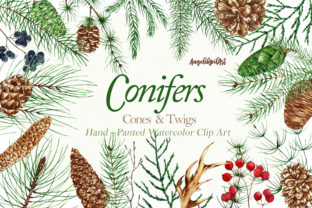
Conifers. Cones Twigs Watercolor: A Designer's Review
As a professional designer who spends countless hours translating digital art into tangible thread, I approach every new machine embroidery design with a mix of excitement and skepticism. The gap between a beautiful screen image and a successful stitched result can be wide. Recently, I had the chance to evaluate Conifers. Cones Twigs Watercolor, an asset from the Illustrations category that immediately caught my eye for its organic aesthetic. Before you download this embroidery file or commit it to your next client order, let’s break down exactly how this design performs in the real world of crafting and small business production.
The First Impression: Capturing Nature on Fabric
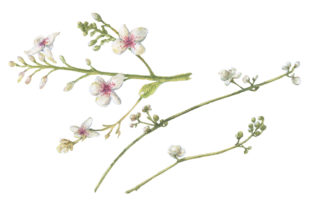
At first glance, Conifers. Cones Twigs Watercolor exudes a quiet, earthy charm. It is not a bold, graphic logo; rather, it feels like a delicate sketch brought to life. The watercolor influence suggests soft gradients and blended edges, which presents both an opportunity and a challenge for the embroiderer. In the realm of custom apparel and home decor, this mood is perfect for creating products that feel curated and artisanal. It screams "boutique" rather than "mass-produced."
When I visualize this as a tote bag design or a patch for a denim jacket, I see a product that appeals to nature lovers and those who appreciate subtle, botanical details. The layout of the twigs and cones creates a natural flow, making it versatile enough to be centered on a pillow cover or scattered across a tea towel. However, because it leans heavily on the watercolor style, the success of the final finished product relies entirely on how well the stitch definition mimics the original artistic intent without looking muddy.
Real-World Application: From Hoop to Home
Let’s talk about a specific scenario. Imagine you are an Etsy seller preparing a holiday collection. You want to create a set of personalized aprons or kitchen towels that feel warm and inviting. Conifers. Cones Twigs Watercolor fits this brief perfectly. Unlike rigid geometric patterns, the organic shapes of the conifer elements soften the look of the fabric, making the handmade product feel more intimate.
I recently tested similar watercolor-style assets on a heavy cotton canvas for a tote bag. The key here is understanding how the fill stitch interacts with the fabric texture. On a smooth surface, the design reads clearly, capturing the essence of the pine cones and twigs. However, if you were to use this on a textured fleece for a sweatshirt embroidery project, the softer details might get lost in the nap of the fabric. This is why context matters. For baby embroidery items like burp cloths or bibs, the gentle lines of the twigs are less likely to irritate sensitive skin compared to stiff satin borders, provided the backing is secure.
For commercial embroidery projects, such as branding for a local eco-friendly shop, this design offers a unique alternative to standard logos. It adds a layer of sophistication to small shop merchandise. When used as an embroidered patch, the intricate details of the cones can serve as a focal point, drawing the customer's eye and increasing the perceived value of the item.
Navigating Technical Challenges and Limitations
While Conifers. Cones Twigs Watercolor is visually stunning, it requires careful handling to avoid common pitfalls. One major consideration is the hoop size. If you attempt to shrink this design too much for a small cap or a cuff, the delicate watercolor washes will likely turn into a solid blob of thread. The nuances of the twigs need space to breathe. Always check the recommended dimensions before scaling down.
Another critical factor is the choice of stabilizer. Because watercolor effects often rely on varying densities of stitching to create shading, using insufficient stabilizer can lead to puckering, especially on stretchy fabrics like jersey knit or thin linens. The tension required to achieve the gradient effect can pull the fabric if it isn't supported properly. I always recommend testing the design on scrap fabric first to ensure the stitch density doesn't overwhelm the material.
Furthermore, consider the background color. This design was likely intended for light or neutral backgrounds where the watercolor tones pop. Using it on dark fabric without significant adjustments to the thread colors could make the design invisible. If you plan to use it on black or navy garments, you may need to add a white underlay or choose a lighter shade of the design to maintain visibility. Similarly, on very dense fabrics, the fine details of the running stitches might not stand out, reducing the overall visual appeal.
Strategic Advice for Designers and Makers
If you decide to incorporate Conifers. Cones Twigs Watercolor into your workflow, treat it with the same care you would any high-end digital embroidery file. Here are my top recommendations for ensuring a professional outcome:
- Test Before You Sell: Never skip the test run. Stitch the design on a piece of the actual fabric you intend to use. Check for registration issues, thread breaks, and how the colors blend.
- Review Color Contrast: Ensure the thread colors provide enough contrast against the fabric. What looks good on a monitor might disappear on a heather grey shirt.
- Inspect Small Details: Zoom in on the preview to see if the tiny tips of the twigs are defined by enough stitches. If they are too sparse, they may unravel during washing.
- Mockup Verification: Create a printable mockup in black and white to assess the clarity of the lines without the distraction of color. This helps you spot potential density issues.
- Licensing Check: As a creative entrepreneur, always confirm the licensing terms. Does the purchase allow you to sell finished goods? Can you use it for personalized gifts or only personal use? Understanding these rules protects your craft business.
Final Thoughts on Value and Versatility
Ultimately, Conifers. Cones Twigs Watercolor is a powerful tool for designers who want to elevate their brand beyond the standard block-lettering or clip-art styles. It brings a sense of artistry to holiday embroidery, wedding favors, and everyday accessories. When executed correctly, it enhances customer trust by demonstrating attention to detail and quality.
However, it is not a "set it and forget it" design. It demands respect for the medium. It requires you to think about fabric weight, stabilizer choice, and color theory. But for the dedicated maker willing to put in the effort, the result is a finished product that stands out in a crowded marketplace. Whether you are decorating a single personalized gift or launching a line of custom apparel, this design has the potential to become a signature element of your portfolio. Just remember to verify the technical specs and test thoroughly before you hit the start button on your machine.