Watercolor Sweet Food Illustrations Review
As a digital product creator who has spent years navigating the competitive landscapes of Etsy, Creative Fabrica, and print-on-demand platforms, I approach every new graphic design asset with a critical eye. My goal is never just to find something pretty; it is to find a commercial tool that converts browsers into buyers. Recently, I evaluated a new collection titled Watercolor Sweet Food. Before integrating these illustrations into my upcoming seasonal shop refresh, I needed to determine if they offered the versatility, quality, and visual appeal required for a profitable digital download or merchandise line.
First Impressions: Mood and Market Fit
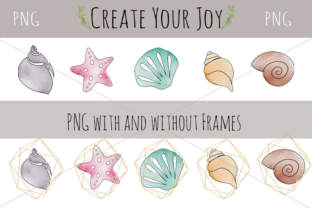
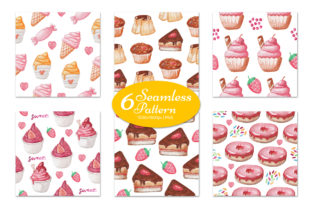
The moment I opened the preview files for Watercolor Sweet Food, the aesthetic was immediately clear. This is not a sterile, vector-perfect corporate set. Instead, it carries a distinct handmade charm with soft edges, gentle color bleeding, and a whimsical personality. The mood strikes a balance between playful and elegant, making it highly attractive to specific buyer demographics. Think of the customer browsing for nursery prints, baby shower invitations, or boutique bakery branding. These illustrations feel feminine, festive, and warm, which are powerful emotional triggers in the small business branding space.
For a seller targeting the "cute" or "rustic" niches, this asset feels premium without being overly complex. It avoids the generic look of overused clipart found on stock sites, offering a unique visual hierarchy that can elevate a simple listing into a cohesive brand identity. However, its success depends entirely on how well it integrates with your existing product lines. If your shop focuses on bold, industrial, or high-contrast streetwear, this might clash. But for a creative marketplace focused on home decor, party planning, or lifestyle content, it is a strong contender.
Real-World Application: From File to Finished Product
The true test of any illustration pack is its utility across various product formats. I began by mapping out potential use cases for Watercolor Sweet Food within my own inventory strategy. The versatility here is impressive, provided you understand the strengths of each file type included.
- Printable Wall Art and Nursery Decor: The soft watercolor texture translates beautifully to paper. These designs work exceptionally well as single-piece prints or as part of a gallery wall bundle for nurseries. The organic shapes soften the room's vibe instantly.
- Sublimation and Merchandise: For print-on-demand sellers, these assets are gold for mugs, tote bags, and t-shirts. A mug design featuring a cluster of sweet treats looks inviting and artisanal. On apparel, they pair perfectly with pastel backgrounds or white cotton to maintain visibility.
- Paper Crafting and Stickers: As a Cricut project resource, these can be used for planner stickers, scrapbooking kits, and greeting cards. The PNG versions allow for easy layering over other elements, while the SVGs (if available) offer cutting paths for vinyl applications.
- Digital Templates and Social Media: Content creators and Canva template sellers can utilize these illustrations to create social media graphics, blog headers, and promotional visuals. They add a human touch to digital products that often feel too rigid.
I also considered packaging design. For a small business selling physical goods like cookies, candles, or soaps, using these illustrations on labels or thank-you cards creates an immediate perception of a handmade, boutique experience.
Enhancing Product Presentation and Click-Through Rates
In the crowded world of online selling, your thumbnail image is your most valuable real estate. Watercolor Sweet Food offers a significant advantage here. Because the colors are vibrant yet soft, they pop against both light and neutral backgrounds without looking garish. When I tested these assets in mockup previews, the perceived value of the final product increased. A plain t-shirt becomes a fashion statement when adorned with a high-quality, artistic illustration.
Using these illustrations helps establish visual consistency across a shop. If you build a collection around this theme—say, a "Sweet Summer" bundle including t-shirts, mugs, and printable planners—the cohesive style builds customer trust. Shoppers recognize the brand identity and are more likely to purchase multiple items. Furthermore, these assets excel in product bundles. By grouping related items like a sticker design pack and a matching invitation template, you increase the average order value.
Strategic Limitations and Risk Management
While the potential is high, an experienced seller knows that no asset is perfect for every scenario. There are specific situations where Watercolor Sweet Food requires careful handling to avoid a subpar customer experience.
First, avoid using these designs for tiny details. The delicate brush strokes and gradients inherent in watercolor styles can get lost in very small sticker sizes or intricate cut files. If you are creating a dense layout with many small elements, the visual hierarchy may break down. Second, be cautious with dark backgrounds. Watercolors rely on transparency and light; placing them on black or navy without proper adjustment can result in muddy, invisible graphics. Always test the contrast before finalizing a listing.
Additionally, if you are focusing on precision cutting for vinyl decals, ensure the SVG files have clean nodes. Sometimes, the organic nature of watercolor scans results in jagged edges that don't cut smoothly on a Cricut or Silhouette machine. You may need to do some vector cleanup to ensure the final product looks professional.
Practical Seller Notes for Implementation
Before publishing any listing based on this asset, I recommend a rigorous testing phase. Here is my checklist for maximizing the potential of Watercolor Sweet Food:
- Verify Licensing: Confirm the commercial license allows for resale on finished products. Ensure you are permitted to sell the designs on print-on-demand platforms and in digital downloads.
- Test Mockups: Never rely solely on the flat image. Place the design on realistic product mockups to see how the colors render on fabric, ceramic, and paper.
- Check Resolution: Zoom in to 100% to inspect pixelation. For large format prints like posters, you need high-resolution PNGs. Verify transparency is intact for layering.
- Font Pairing: To complete the look, pair these illustrations with complementary typography. A flowing script font or a handwritten font enhances the handmade feel, while a clean sans serif font adds modern balance.
- File Organization: If you are reselling these as a bundle, organize the folders clearly. Customers appreciate finding their PNGs, SVGs, and JPGs easily labeled.
Ultimately, Watercolor Sweet Food is a robust addition to a designer's toolkit, specifically for those aiming to capture the heartwarming, nostalgic market. It bridges the gap between professional graphic design and the warmth of hand-painted art. By understanding its strengths in branding and presentation, while respecting its limitations in precision and contrast, you can turn these illustrations into a profitable stream of digital products and physical merchandise. Whether you are launching a new Etsy shop or expanding an existing print-on-demand store, this asset offers the visual storytelling power needed to stand out in a saturated creative marketplace.