Watercolor Rose Pink Flower Embroidery Review
As a designer who has spent years translating digital art into tangible thread, I approach every new machine embroidery design with a mix of excitement and skepticism. The gap between a beautiful screen image and a successful finished product can be wide. When I first opened the file for Watercolor Rose Pink Flower, I was immediately struck by its soft, artistic vibe. It falls squarely into the Illustrations category, promising that delicate, painterly aesthetic that is so popular in modern craft circles. But does it hold up under the scrutiny of a real-world project? Let's dive into how this design performs when you move from the monitor to the hoop.
The First Impression: Mood and Visual Personality
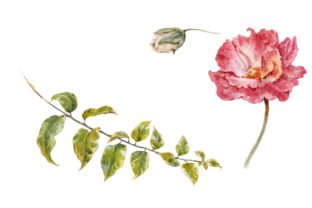
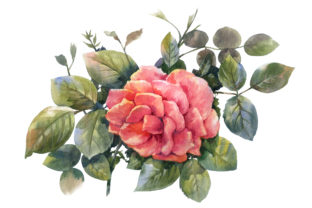
The immediate appeal of Watercolor Rose Pink Flower lies in its ability to capture the fluidity of watercolor paint using structured stitch types. Unlike rigid, geometric floral patterns, this design feels organic and breezy. The layout suggests a gentle movement, as if the petals are just beginning to unfurl. For an Etsy seller or a boutique owner looking to elevate their brand, this kind of visual personality is gold. It signals quality and thoughtfulness without shouting for attention.
However, the "watercolor" effect in embroidery is a balancing act. It relies heavily on how the fill stitch interacts with the fabric texture. In my initial review, the design uses varying densities to mimic washes of color. This is clever, but it requires a steady hand and the right setup to avoid puckering. The thread colors selected in the preview are soft pinks and muted whites, which work beautifully together, but I would always recommend testing these against your specific fabric before committing to a batch of products.
A Real-World Scenario: The Custom Tote Bag Project
To truly test Watercolor Rose Pink Flower, I imagined a specific client request: a set of premium canvas tote bags for a local bridal shop. The goal was to create a personalized gift item that felt elegant yet durable. Canvas is a sturdy fabric, but it has a distinct weave that can interfere with fine details.
I loaded the embroidery file onto my machine, selecting a medium-sized hoop to accommodate the full bloom of the rose. As the needle started dancing, I watched closely. The outer edges of the flower utilized a combination of running stitch and light fill to create that signature watercolor bleed effect. On the thick canvas, this translated surprisingly well. The texture of the fabric actually helped diffuse the thread slightly, enhancing the painted look rather than detracting from it.
If I were selling these as a small shop product, I know customers would react positively to the tactile nature of the stitching. It feels handmade and artisanal, which justifies a higher price point compared to a standard screen-printed bag. The design anchors the center of the tote perfectly, leaving enough negative space for a monogram or a small text line if the client desired customization. This versatility makes Watercolor Rose Pink Flower a strong contender for commercial embroidery projects where branding needs to feel personal.
Navigating Challenges: Where Caution Is Needed
While the design excels on stable fabrics like canvas or linen, there are scenarios where you need to tread carefully. If you attempt to use this embroidery design on stretchy materials like jersey knit for a t-shirt or sweatshirt, the watercolor effect might distort. The tension required to stabilize the fabric could pull the delicate stitches out of alignment, ruining the soft gradient illusion.
Similarly, working with dark fabrics presents a challenge. The lighter pink tones in Watercolor Rose Pink Flower rely on the background to show through or sit lightly on top. On black or navy fabric, you would likely need a dense underlay or a backing layer, which could make the design feel heavier than intended. Always consider the contrast; sometimes what looks ethereal on white cotton becomes muddy on charcoal gray.
Another critical factor is the hoop size. While the design is versatile, shrinking it too much for a cap or a small patch will cause the delicate details to collapse. The "bleed" effect of the watercolor style needs room to breathe. If you reduce the scale below a certain point, the stitch density becomes too high for the area, leading to potential breakage or poor coverage. I strongly advise against using this design for tiny accents or intricate corners where the detail is lost.
Practical Notes for the Professional Designer
- Test on Scrap Fabric: Never skip the test run. Stitch Watercolor Rose Pink Flower on a scrap piece of your actual project material to check for puckering and thread tension.
- Stabilizer Selection: Use a tear-away or cut-away stabilizer appropriate for your fabric weight. For the watercolor effect, a lightweight tear-away often works best to maintain drape.
- Color Matching: Review the thread colors against your physical spools. Digital previews can be deceiving, especially with pastel shades.
- Licensing Check: Before selling finished items or offering this as a digital product, confirm the licensing terms. Ensure you have the rights for commercial embroidery if you plan to sell the stitched goods.
- Mockup Testing: Create printable mockups in both light and dark backgrounds to visualize how the design will appear to potential buyers online.
Impact on Brand and Customer Trust
In the world of handmade goods, consistency is key. Using a high-quality design like Watercolor Rose Pink Flower elevates the perceived value of your handmade product. Customers today are savvy; they can tell the difference between a rushed, low-density stitch job and a thoughtful, well-executed design. When a buyer receives a tote bag or pillow cover featuring this rose, the clarity of the stitching and the beauty of the motif build trust in your brand.
This design is particularly effective for holiday embroidery or wedding gifts, where sentimentality matters. The romantic nature of the pink rose fits seamlessly into themes of love, spring, and celebration. It adds a touch of professionalism that separates a hobbyist from a serious creative entrepreneur.
Final Verdict for Your Design Assets
Watercolor Rose Pink Flower is a standout addition to any library of design assets. It bridges the gap between digital illustration and textile art effectively, provided you respect its limitations regarding fabric type and scale. It is not a one-size-fits-all solution, but for the right application—such as custom apparel, home decor, or boutique merchandise—it delivers a stunning result.
For the craft business owner, this design offers a reliable way to create products that stand out in a crowded market. Just remember to do your due diligence: check your stabilizer, verify your stitch density, and always test before you produce. With the right execution, this embroidery project will become a staple in your collection, bringing joy to makers and buyers alike.