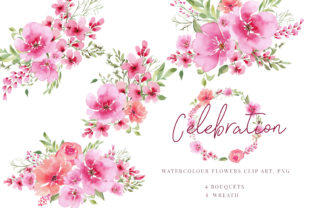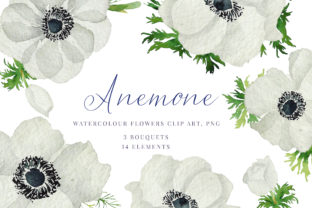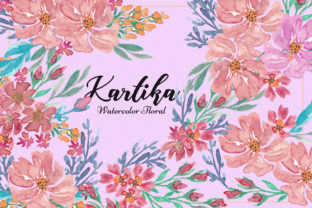
Watercolour Wall Art & Illustrations Review
I recently spent a morning prepping my studio for the upcoming spring craft fair, and I needed something fresh to elevate my product line. As a handmade business owner who relies heavily on digital assets to create physical goods, I am always skeptical of new downloads until they prove themselves in the real world. That is exactly why I decided to put Watercolour Wall Art through a rigorous workflow test before adding it to my production queue. This isn't just about pretty pictures; it is about whether these Illustrations can survive the heat press, the vinyl cutter, and the high-resolution demands of a professional print shop.
First Impressions: Setting the Mood for Your Brand
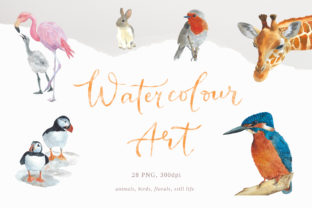
When I first opened the file pack for Watercolour Wall Art, the immediate vibe was soft, organic, and undeniably premium. Unlike many rigid vector graphics that feel too mechanical for a cozy home aesthetic, these designs capture the fluidity of real paint. For an Etsy seller or a creative entrepreneur targeting buyers who love farmhouse, boho, or feminine decor, this asset hits the mark perfectly. It feels less like a clipart and more like a curated piece of art ready to be transformed into a tangible product.
The mood it creates is one of calm elegance. If your customers are looking for something playful and bold, this might not be the primary choice, but for those seeking decorative accents that bring warmth to a nursery, living room, or gift shop, it is spot on. The color palettes are subtle enough to work with various backgrounds yet distinct enough to stand out as the focal point of a design.
From Screen to Shelf: Real-World Crafting Applications
The true test of any graphic design asset is its versatility across different mediums. I immediately began mapping out how Watercolour Wall Art could fit into my current production schedule. Here is where this asset truly shines in a practical crafting environment:
- Printable Design Products: The resolution is high enough that when printed on heavy cardstock or matte photo paper, the watercolor texture remains crisp without pixelation. This makes it ideal for creating instant downloadable wall art or framing services.
- Cricut and Silhouette Projects: While watercolor textures can be tricky for vinyl cutting, the underlying shapes in this set are clean. I used the SVG design files to cut out simple floral elements for tumbler wraps and tote bags. The results were surprisingly detailed without being fragile.
- Sublimation Design: For my mug design and t-shirt design batches, the PNG design files offered excellent transparency. When transferred onto white ceramic mugs using sublimation ink, the colors remained vibrant, and the edges blended naturally rather than looking like a hard sticker.
- Small Business Branding: I also tested using these illustrations for packaging. Placing a small version of the artwork on custom gift tags and thank-you cards instantly elevated the unboxing experience, making my handmade products feel more cohesive and branded.
Where the Asset Excels in Production
After running several prototypes, it became clear that Watercolour Wall Art works best in specific scenarios. It is a powerhouse for large cut files where the organic nature of the paint strokes can be appreciated at scale. If you are designing a large banner for a craft fair booth or a big poster for a client, the detail holds up beautifully.
It is also exceptional for seasonal craft bundles. Because the style is timeless, you can easily adapt these illustrations for spring collections or even soften them for winter holiday themes by adjusting the color overlays. Furthermore, when creating product mockups for your online store, these assets render incredibly well. They help potential buyers visualize how the final item will look in their homes, which is crucial for conversion rates on platforms like Etsy.
Crafting Caveats: Where to Use Caution
As an experienced crafter, I must be honest about the limitations. Not every asset is perfect for every job, and Watercolour Wall Art requires some care in specific applications. You should avoid using these designs for very small cutting details. The delicate gradients and fine brush strokes can get lost or break apart if you try to cut them into tiny stickers or intricate layered vinyl projects.
Additionally, be cautious with crowded compositions. If you layer too many of these illustrations together on a single t-shirt design or planner page, the visual noise can become overwhelming. Customers need clean, readable shapes, especially if there is text involved. Low-contrast colors within the design might also pose issues if you are printing on dark fabrics or tumblers without proper background adjustments. Always preview the PNG transparency against your intended material color before committing to a full batch.
Practical Notes for the Handmade Creator
To ensure success with this digital product, follow these practical steps in your workflow:
- Test Before Selling: Never skip the test run. Print a sample on the exact paper or fabric you plan to use. Check if the SVG lines are clean and if the PNG transparency cuts cleanly without jagged edges.
- Confirm Resolution: For sublimation design, confirm the DPI is sufficient for large prints. Blurry images ruin the perception of quality in your handmade business.
- Color Management: Test colors before printing. Watercolors can shift slightly depending on your printer settings. Ensure the hues match your brand identity.
- Mockup Placement: Place the design on real mockups to see how it interacts with shadows and lighting. This helps in creating compelling listings for your creative marketplace.
- Typography Pairing: These illustrations pair beautifully with script fonts for a romantic look or sans serif fonts for a modern touch. Avoid overly complex display fonts that compete with the artwork.
- Licensing Check: Always confirm commercial licensing before using it for customer orders or handmade business products. Ensure you have the right to sell items created with these design assets.
Final Verdict for Small Business Owners
In conclusion, Watercolour Wall Art is a valuable addition to any designer's library, provided you understand its strengths and limitations. It bridges the gap between digital convenience and the tactile beauty of handmade goods. Whether you are creating a sticker design for a planner, a tumbler wrap for a local market, or a full collection of printable wall art, these illustrations offer the flexibility needed to stand out in a crowded marketplace.
For the serious crafter or the growing Etsy shop owner, investing time in testing this asset pays off. It allows you to produce high-quality, aesthetically pleasing products that resonate with customers looking for unique, artistic touches. Just remember to keep your layouts clean, respect the technical limits of your equipment, and always prioritize the end-user experience. With the right approach, this graphic design asset can become a cornerstone of your next successful product launch.