Blush Roses Watercolor Flowers Clipart Review
As a designer who has spent years translating digital art into tangible thread, I approach every new asset with a critical eye. When I first opened the file for Blush Roses Watercolor Flowers Clipart, my immediate reaction was one of soft appreciation. The aesthetic is undeniably romantic, leaning heavily into that popular watercolor style that has dominated craft trends for the better part of a decade. However, looking at it as a mere illustration is one thing; evaluating it as a potential machine embroidery design requires a completely different mindset. The transition from pixel to stitch is where many projects fail, and this piece demands careful consideration before you commit your time and thread.
The First Impression: Mood and Visual Personality
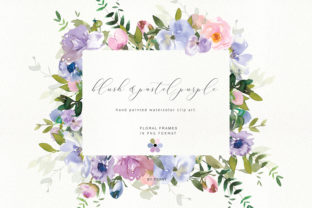
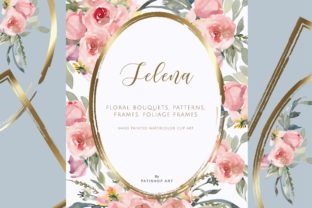
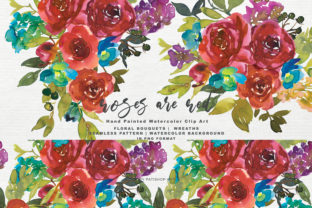
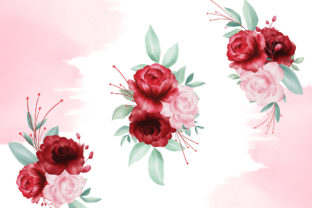
The visual personality of these roses is gentle and ethereal. The color palette relies on soft pinks, muted peaches, and subtle washes of white, creating a dreamy atmosphere perfect for spring collections or nursery decor. In its raw form as an Illustration, the blending of colors is seamless. But when I start mentally mapping this out for stitching, the challenge becomes apparent. Watercolor effects rely on gradients and transparency, which are notoriously difficult to replicate in thread without losing clarity. To make Blush Roses Watercolor Flowers Clipart work, you cannot simply digitize it as a flat fill. You will need to think strategically about how to use satin stitch for outlines and varied fill stitch angles to mimic that painterly look.
This design screams "personalized gift." It feels like something a mother would want on a baby blanket or a bride might request for her wedding day tote bag. The mood is intimate and delicate, which means the execution must be flawless. If the stitches are too dense, the softness vanishes, replaced by a stiff, plastic-like texture. If they are too sparse, the watercolor illusion breaks, and the design looks unfinished.
Real-World Application: From File to Fabric
Let's talk about a real scenario. Imagine you are preparing a custom embroidered tote bag for a local boutique client. They want a feminine, high-end look that appeals to their regulars. You decide to use Blush Roses Watercolor Flowers Clipart as the central motif. On a sturdy canvas tote, the design could hold up beautifully if you place it on a large enough area. The natural curves of the petals would flow well across the fabric grain.
However, consider the same design on a sweatshirt embroidery project. Sweatshirts have a fuzzy texture that can swallow fine details. If the clipart features thin stems or tiny buds, those elements might get lost in the loop pile of the fleece. In this case, I would advise simplifying the design or increasing the line weight slightly during the digitization phase. For a baby embroidery item, such as a onesie or a receiving blanket, the softness of the blush tones is ideal. Just ensure the stabilizer is appropriate so the fabric doesn't pucker under the needle pressure.
I also see strong potential for this as an embroidered patch. Patches allow for more creative freedom because you are stitching onto a backing material first. You could layer threads to create depth, using lighter shades over darker ones to enhance the watercolor effect. This would make for a unique handmade product that stands out in a sea of standard floral patches.
Navigating Challenges: Where Caution is Needed
Not every project is a candidate for this specific design. There are several scenarios where Blush Roses Watercolor Flowers Clipart might struggle. First, avoid using it on very dark fabrics unless you are prepared to do significant re-digitizing to add underlays. The light blush tones will disappear against black or navy blue without a heavy underlay, which can ruin the delicate feel of the flower.
Second, be wary of small hoop sizes. Watercolor styles often require space to breathe. Cramping this design into a 4x4 inch hoop might force you to reduce the detail level so much that it no longer resembles a rose. If you are working on a cap, the curved surface distorts the layout. The petals might bunch up at the top of the crown, making the flower look distorted rather than blooming.
Texture is another factor. On highly textured fabrics like burlap or heavy linen, the fine lines of the watercolor wash might not register clearly. Similarly, stretchy fabrics like jersey knit require a specialized stabilizer and a design that accounts for fabric movement. If the stitch density is too high, the fabric will ripple around the embroidery, ruining the professional finish.
Design Notes for the Professional Maker
If you are an Etsy seller or running a craft business, the quality of your output directly impacts customer trust. Before you sell a finished product featuring these roses, you must test the design. Always run a test on scrap fabric that matches your final project material. Check the thread colors carefully; sometimes what looks pink on a screen turns out to be a harsh magenta in reality due to lighting and thread sheen.
Review the stitch density closely. High-density areas can cause puckering, especially on lightweight items like tea towels or pillow covers. If you plan to offer this as a digital embroidery file for others to download, ensure the file is thoroughly tested on multiple machines. A design that runs smoothly on one brand of machine might jam on another if the jump stitches are poorly placed.
Also, consider the commercial implications. Does the license for Blush Roses Watercolor Flowers Clipart allow you to sell finished goods? Some licenses restrict the number of items you can produce or forbid selling the digital file itself. Always confirm the licensing terms before listing a small shop product or creating a printable mockup for your portfolio.
Enhancing Value and Presentation
When executed correctly, this design elevates a simple garment into a luxury item. The soft aesthetic adds perceived value, allowing you to charge a premium for custom apparel or holiday gifts. Customers appreciate attention to detail. A well-stitched rose with visible texture and depth shows craftsmanship. Conversely, a poorly stitched version with tangled threads or uneven fills can damage your reputation as a maker.
To maximize engagement, show your customers the process. Share photos of the design in progress, highlighting how you used different thread colors to achieve the watercolor look. This transparency builds confidence in your brand consistency. Whether you are decorating a kitchen towel or creating a personalized apron, the goal is to deliver a finished product that feels handmade with care, not mass-produced.
In conclusion, Blush Roses Watercolor Flowers Clipart is a beautiful asset with significant potential, but it requires skill to translate effectively. It is not a "load and go" design for beginners. It demands an understanding of fabric behavior, thread properties, and digitization techniques. If you take the time to test, adjust, and refine, the result will be a stunning piece of art that delights your clients and enhances your portfolio. Treat it with the respect it deserves, and it will serve your embroidery project well.