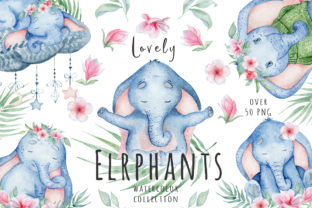
Cute Llamas. Watercolor Animals Clipart Review
As a designer who has spent years translating digital art into tangible thread, I approach every new asset with a critical eye. When I first opened Cute Llamas. Watercolor Animals Clipart, my initial reaction was pure delight. The mood is undeniably whimsical, capturing that soft, dreamy aesthetic that parents and boutique shoppers love. However, the real test isn't how it looks on a screen; it is how it survives the journey from pixel to stitch. For any Etsy seller, small shop owner, or hobbyist looking to expand their catalog of Illustrations, understanding the practical application of this design is crucial before you cut your first stabilizer.
The Visual Translation: From Screen to Stitch
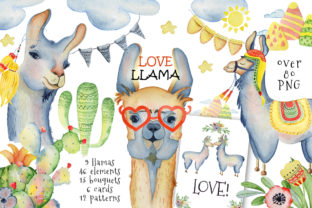
The charm of Cute Llamas. Watercolor Animals Clipart lies in its fluid edges and blended color gradients. In a standard vector format, these watercolor effects are crisp and vibrant. But when we talk about converting this into a machine embroidery design, the physics change completely. Thread cannot blend like watercolor paint. To replicate that soft look, we rely heavily on high-density fill stitch techniques and careful placement of thread colors.
In a recent project, I envisioned using this clipart for a custom embroidered tote bag aimed at a local craft fair. The goal was to create a "soft" look that felt handmade yet professional. The challenge with watercolor styles is that they often contain subtle gradients. If you try to stitch a direct conversion without adjusting the stitch density, the result can look muddy or overly dense. Instead, I found that breaking the gradient down into distinct blocks of color works best. This technique maintains the visual personality of the llama while ensuring the finished product remains flexible and durable.
Real-World Application: Where It Shines
For custom apparel, particularly sweatshirts and heavy cotton tees, Cute Llamas. Watercolor Animals Clipart performs exceptionally well. The thicker fabric provides a stable base that supports the weight of the stitches required to mimic the watercolor texture. Imagine a cozy, heather-grey sweatshirt featuring one of these llamas on the chest pocket area. The contrast between the soft pastel tones of the design and the neutral background creates an immediate focal point that appeals to a wide demographic.
This design is also a powerhouse for baby embroidery. Nursery decor and baby blankets often benefit from the gentle, non-threatening shapes found in this collection. A personalized gift, such as a onesie or a receiving blanket, becomes instantly special with this motif. The rounded shapes of the llamas are forgiving during the stitching process, reducing the risk of puckering compared to designs with sharp, angular lines. For the Etsy seller focusing on nursery items, this asset offers a high perceived value because it feels curated and artistic rather than generic.
Beyond clothing, consider the potential for embroidered patch production. Patches allow for higher stitch density since they are backed by stiff interfacing. You can push the detail levels further here, creating a textured surface that mimics brush strokes. These patches can then be sold as standalone collectibles or used to upgrade denim jackets, backpacks, and hats. The versatility of Cute Llamas. Watercolor Animals Clipart makes it a valuable addition to any craft business inventory.
Navigating Challenges: Fabric and Hoop Considerations
While the design is versatile, it is not without its pitfalls. As a reviewer, I must advise caution when working with thin or stretchy fabrics. The density required to achieve the watercolor effect can cause significant puckering on lightweight materials like chiffon or jersey knit. If you plan to use this on a delicate blouse or a fitted tank top, you will need to reduce the stitch density significantly or opt for a different style entirely. Always test the design on scrap fabric first to gauge how the hoop size and tension affect the final look.
Dark fabrics present another hurdle. Watercolor designs typically rely on light, airy colors. Placing a pale pink or sky-blue llama on black denim requires a solid underlay of white thread to make the colors pop. Without this foundation, the design will disappear into the fabric. Additionally, curved surfaces like caps require specific digitizing adjustments. The flat nature of the original digital embroidery file may distort when wrapped around a brim. Ensure you have a version optimized for 3D surfaces if you intend to decorate hats.
Another critical factor is the washing durability of the finished item. Dense areas of fill stitch can sometimes trap moisture if not properly ventilated during the digitizing process. For items like kitchen towels or aprons that see frequent washing, ensure the backing and stabilizer choices are appropriate. Using a tear-away stabilizer for woven fabrics and a cut-away for knits is essential to maintain the integrity of the handmade product over time.
Design Judgment and Commercial Viability
When evaluating Cute Llamas. Watercolor Animals Clipart for commercial use, the focus shifts to brand consistency and customer trust. A well-executed embroidery project signals quality. If the stitches are loose, the colors bleed, or the design looks pixelated due to poor scaling, it reflects poorly on your brand. Conversely, a crisp, well-balanced design elevates the perceived value of your merchandise.
Before committing to a bulk order or listing a new product line, create printable mockups to visualize the scale. Does the llama look too large on a small bib? Is it too tiny on a pillow cover? Testing in black and white can also reveal issues with contrast that might be missed in color. Furthermore, always confirm the licensing terms. While the clipart itself is categorized as Illustrations, you must verify if the license allows for selling physical goods versus just digital downloads. Selling a commercial embroidery project without the proper rights can lead to legal complications that no amount of creative talent can fix.
Final Thoughts for the Maker
Cute Llamas. Watercolor Animals Clipart is a delightful asset that brings a touch of magic to embroidery projects. Its success, however, depends entirely on the designer's ability to translate the softness of watercolor into the rigidity of thread. By choosing the right fabric, managing stitch density, and respecting the limitations of the medium, you can create stunning personalized gifts and small shop products that customers will love.
Whether you are making a holiday gift, a boutique branding piece, or a simple home decor item, remember that the best designs are those that balance aesthetics with functionality. Take the time to test, refine, and perfect your setup. With the right approach, these adorable llamas will become a signature element of your portfolio, proving that even the most delicate digital art can thrive in the world of thread and needle.